
Dr. Tracy J. Montierth, O.D., and Dr. Landon J. Montierth, O.D., provide comprehensive eye exams for patients of all ages at Family Eye Center in Safford. Your exam covers your vision and prescription, the health of your eyes, and any signs of conditions that may be developing without symptoms.
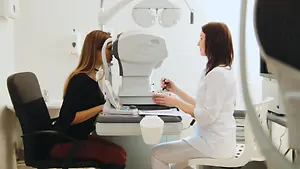
Comprehensive Eye Exams in Safford, AZ
QUICK LINKS

What a Comprehensive Eye Exam Covers at Family Eye Center
Most people schedule an eye exam when their vision feels off, or their glasses are no longer working well. A comprehensive eye exam addresses that, but it also checks the structural health of your eyes in ways that have nothing to do with how clearly you see. Many serious eye conditions, including glaucoma and macular degeneration, develop gradually and may not affect your vision noticeably until they have reached a more advanced stage. An annual exam gives your optometrist the opportunity to identify those changes early, when your options for managing them are greater.
Signs It May Be Time for Your Next Eye Exam
Your eyes change gradually, which makes it easy to miss the signs that something has shifted. If any of the following apply to you, it is worth scheduling a comprehensive eye exam at Family Eye Center:
- Your vision feels less sharp than it used to, even with your current glasses or contacts.
- You are squinting more often to read, drive, or see screens clearly.
- You have not had an eye exam in more than a year.
- You are experiencing frequent headaches, especially after reading or screen use.
- You have a family history of glaucoma, macular degeneration, or diabetic eye disease.
- You have been diagnosed with diabetes.
- You notice changes in your side vision or see new floaters or flashes.
Some eye conditions develop without any symptoms at all. An annual exam allows Dr. Tracy J. Montierth, O.D., or Dr. Landon J. Montierth, O.D., to check your eye health even when nothing feels wrong.
Conditions Your Exam Screens For
A comprehensive eye exam at Family Eye Center includes screening for the conditions below. Many of these develop gradually without noticeable symptoms, which is why an annual exam matters even when your vision feels fine.
Glaucoma
Glaucoma develops when elevated eye pressure or other factors damage the optic nerve. Early-stage glaucoma often produces no symptoms. Regular screening allows your optometrist to identify pressure changes and nerve damage before vision is affected.
Macular Degeneration
Macular degeneration affects the central part of your retina and can impact your ability to read, recognize faces, and see fine detail. Early detection gives you more options for managing the condition and slowing its effect on your central vision.
Diabetic Eye Disease
Diabetes can affect the blood vessels in your retina, causing diabetic retinopathy. This condition may produce no symptoms in its early stages. Patients with diabetes should have a dilated eye exam at least annually to monitor for retinal changes.
Dry Eye
Dry eye occurs when your eyes do not produce enough tears or the right quality of tears to stay comfortable. Your optometrist can evaluate the surface health of your eyes and recommend appropriate care, which may include drops, medical treatment, or punctal plugs.
Cataracts
Cataracts develop when the natural lens of your eye becomes cloudy over time, causing blurred or hazy vision. Your optometrist monitors lens changes during your exam and can refer you for surgical evaluation when appropriate.
For most adults without significant risk factors, an annual comprehensive eye exam is the general recommendation. If you have diabetes, a family history of glaucoma or macular degeneration, or an existing eye condition, your optometrist may recommend more frequent appointments based on your specific situation. Call (928) 428-4360 to discuss how often you should be seen.
The American Optometric Association generally recommends a first eye exam at approximately six months of age, again at age three, and then before starting school. After that, annual or biennial exams through the school years help catch prescription changes and other issues that can affect learning. At Family Eye Center, we see children starting at approximately six months.
VSP, EyeMed, Spectera, Davis Vision, and Medicare are all accepted at Family Eye Center. A routine comprehensive eye exam is typically billed under your vision plan. If your exam includes evaluation or management of a medical condition such as glaucoma or diabetic eye disease, it may be billed under your medical insurance instead. Call (928) 428-4360 before your appointment to confirm how your plan applies.
Eye Exams for Every Age at Family Eye Center
Family Eye Center provides comprehensive eye exams for patients across every stage of life. Exam frequency and focus vary by age and health history, but the practice welcomes all of the following:
- Infants and toddlers, starting at approximately six months of age.
- School-age children, for whom uncorrected vision can affect learning.
- Adults for annual vision and health maintenance.
- Seniors, for whom age-related conditions such as cataracts, glaucoma, and macular degeneration become more common.
- Patients with diabetes or a family history of eye disease.
What to Bring to Your Exam
Bringing a few items to your appointment helps your optometrist provide the most complete exam possible. Come prepared with your current glasses or contact lenses, your insurance card, a list of any medications you are taking, and the name of any specialist or physician who has treated you for a related condition. If this is your first exam at Family Eye Center, arrive a few minutes early to complete any intake paperwork.
Annual Adult Eye Exam
An annual comprehensive eye exam is the standard of care for adults. Your prescription, eye pressure, and structural eye health are all checked at each appointment, giving your optometrist a baseline to compare year over year.
Children's Eye Exam
Children can have significant vision problems without knowing it, because they have no reference for what clear vision feels like. Early exams, starting at approximately six months, can identify issues when they are most responsive to correction. Exams continue through the school years to track any changes in prescription or eye health.
Senior Eye Exam
As you get older, the risk of developing glaucoma, macular degeneration, cataracts, and diabetic eye changes increases. An annual exam gives your optometrist the opportunity to monitor those risks and identify any changes before they affect your daily vision and independence.
Medical Eye Exam
If you have been diagnosed with diabetes, glaucoma, macular degeneration, or another systemic condition that affects the eyes, a comprehensive medical eye exam allows Dr. Tracy J. Montierth, O.D., or Dr. Landon J. Montierth, O.D., to monitor the status of your condition and adjust care as needed.
Schedule a Comprehensive Eye Exam in Safford
To schedule a comprehensive eye exam with Dr. Tracy J. Montierth, O.D., or Dr. Landon J. Montierth, O.D., call (928) 428-4360. Walk-ins are welcome during office hours. We see patients from Safford, Thatcher, Pima, Morenci, Clifton, Willcox, Duncan, and the surrounding southeastern Arizona communities.